The Essential Guide to Artificial Grass Installation: Reinvent Your Lawn Today
Artificial grass installation presents an effective option for homeowners seeking low-maintenance landscaping. The following content covers the advantages of artificial grass, from year-round greenery to lower care requirements. Additionally, it covers guidance on selecting the appropriate type of grass and must-have equipment for a smooth installation. Understanding common pitfalls can save time and money. As the process unfolds, it is natural to consider what the full investment involves and what steps lead to a smooth and successful outcome.
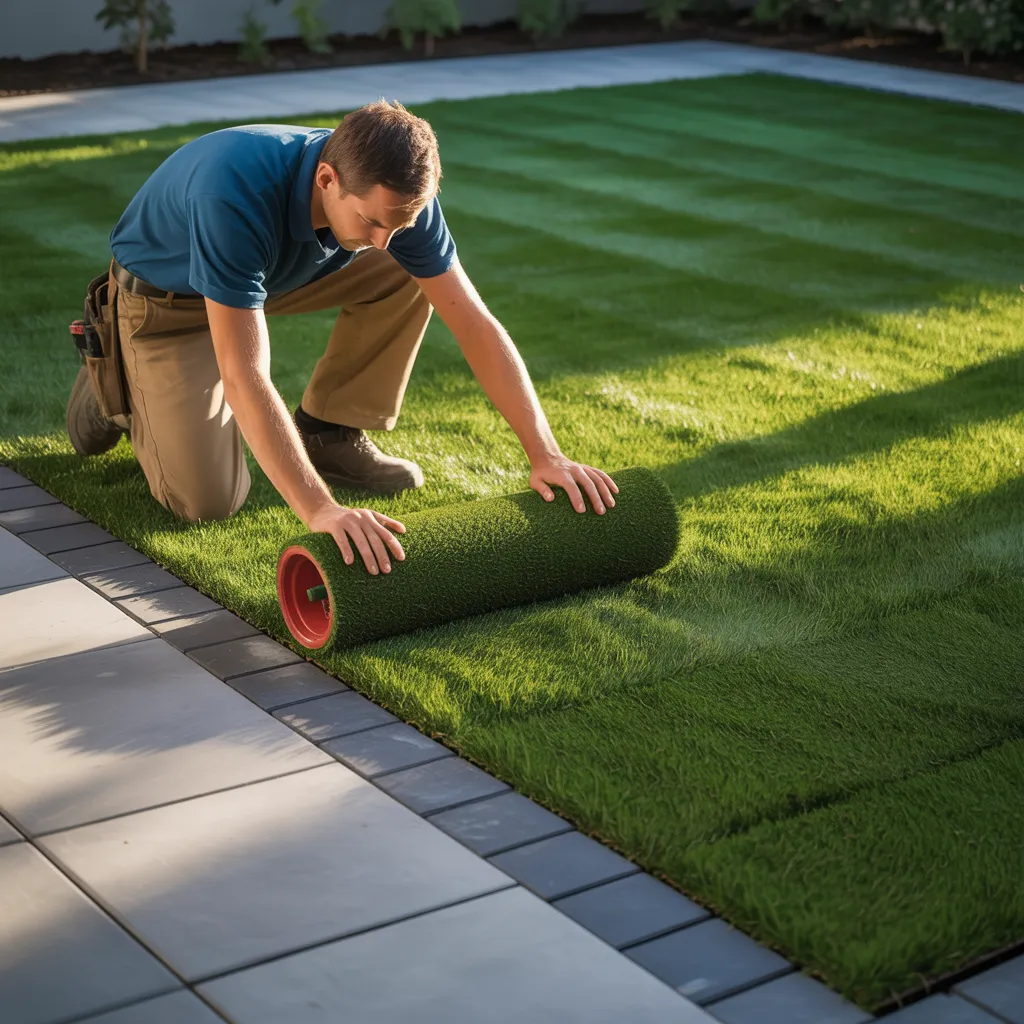
Why Select Artificial Grass
A growing number of homeowners are choosing artificial grass thanks to its countless advantages. One of its standout qualities is its low upkeep demands; artificial turf eliminates the need for mowing, watering, and fertilizing, reducing both time spent and costs incurred. Additionally, it keeps its lush green appearance all year long, despite changing weather conditions, providing a reliably beautiful outdoor space.
One other important benefit is its long-lasting nature. High-quality artificial grass can handle heavy use and is resistant to wear and tear, making it ideal for households with children and pets. Furthermore, it promotes environmental responsibility by saving water and decreasing dependence on harmful fertilizers and pesticides.
Additionally, synthetic turf provides adaptability in layout, enabling property owners to build functional spaces such as recreational zones, game courts, or decorative gardens. Such versatility renders it a popular selection for varied outdoor design requirements, improving the overall look of domestic properties.
Selecting the Best Type of Artificial Grass for Your Requirements
How can one identify the most suitable kind of synthetic turf for individual purposes? Initially, it is important to assess the desired purpose. Home lawns may need a softer and more realistic aesthetic, while commercial spaces might focus on resilience and ease of care. Furthermore, examine the pile height and density. Thicker and taller varieties provides a luxurious aesthetic but may require more upkeep, while shorter varieties are easier to manage.
Furthermore, the texture and color affect visual appeal. Picking a shade that mimics natural grass enhances realism, while varying textures can improve foot traffic resilience. Environmental factors such as sunlight and climate conditions are also important; UV-stable varieties are recommended in regions with strong sun exposure.
Additionally budget constraints should be considered, as prices vary greatly among different types. By taking all of these elements into account, one can select the best fitting artificial grass option tailored to their specific requirements.
Necessary Tools and Materials for the Installation Process
When installing artificial grass, having the right tools and materials is vital for reaching a professional outcome. The following section details the necessary tools needed, offers a checklist of required materials, and underscores the necessity of protective gear. Thorough preparation secures a more efficient installation process and enhances overall results.
Overview of Required Tools
Prior to beginning a synthetic turf installation project, having the right tools and materials at hand is essential for a successful outcome. Important tools encompass a precision cutting knife for accurate cutting, a measuring tape for accurate dimensions, and a ground rake for smoothing the surface. A shovel is needed for removing existing vegetation and soil, while a plate compactor guarantees a solid foundation. Furthermore, a seam tape and adhesive are critical for joining pieces of turf seamlessly. A rigid straight edge can assist in keeping precise lines throughout the installation. Lastly, a bristle broom or brush is perfect for lifting and fluffing the turf fibers once installed. Equipping oneself with these tools will streamline the process and enhance the final result.
Necessary Materials Checklist
An effective synthetic turf installation relies on a comprehensive materials checklist to guarantee all required supplies are on hand. Essential materials consist of high-quality artificial grass, which should complement the preferred look and longevity. A sturdy underlayment is critical for support and water drainage, while infill material, such as rubber or sand, provides weight and support. Adhesives and seam tape are necessary for securing joints, maintaining a smooth finish. Weed barrier fabric stops weed development beneath the grass, enhancing longevity. Furthermore, edge restraints, like rigid border materials, assist in preserving the turf's form. Finally, a reliable runoff system is crucial to stop moisture buildup. Having these materials on hand streamlines the installation process, promoting a successful transformation of the lawn.
Necessary Safety Equipment
While starting an artificial grass installation project, having the right safety gear is essential to guarantee a smooth and protected workflow. Installers should start with safety goggles to guard against hazardous materials and sharp edges. Industrial-grade gloves are necessary for shielding hands from scrapes and cuts when working with tools and turf materials. Reinforced boots deliver added foot safety, particularly when moving heavy objects. A hard hat is advisable when working in areas with potential overhead hazards. Moreover, wearing knee pads can boost safety and comfort during the kneeling phases of installation. Ear guards could be essential when working with noise-producing power tools. By wearing these essential protective items, installers can lower risks and concentrate on completing the job.
A Step-by-Step Guide for Installing Artificial Grass
Artificial grass installation consists of a sequence of precise, systematic steps that ensure a seamless transformation of any outdoor area. First, the area must be measured and marked, confirming precise measurements for the project. Following this, all existing vegetation and debris must be cleared away, followed by excavation to create a stable base. Crushed stone or gravel is subsequently laid down to improve drainage performance.
When the base preparation is complete, a geotextile membrane can be laid down to inhibit weed development. The synthetic turf is spread out, cut to size, and carefully fastened using turf staples. Joins are secured with adhesive or tape for a smooth finish. Finally, filling material, such as crumb rubber or silica sand, is spread evenly to weigh down the grass and enhance its appearance. Thorough brushing completes the process, ensuring the grass fibers stand upright, resulting in a lush, vibrant lawn that is ready for use.
Common Installation Pitfalls and How to Avoid Them
Many common mistakes can occur during the fitting of artificial grass, that could negatively impact the end outcome. One typical problem is insufficient ground preparation, which can lead to surface irregularities and water drainage problems. Properly excavating the area and ensuring a solid base is essential for longevity. An additional typical problem concerns incorrectly estimating the required material quantity, resulting in insufficient coverage or wasted resources. To sidestep this issue, carefully measure the space and factor in all joins and contours.
In addition, ignoring the need to anchor the edges can result in the grass lifting or shifting gradually. Applying suitable adhesives and securing methods is crucial. Finally, failing to brush or infill the grass properly can cause an unrealistic aesthetic and decreased durability. By addressing these pitfalls proactively, property owners can create a flawless and attractive synthetic lawn that improves their outdoor area.
What to Expect in Terms of Cost for Installation?
When exploring fake grass installation, it is essential to understand the associated costs. This covers both the material expenses for the artificial grass and needed materials, as well as labor expenses for professional setup. A well-planned budget will enable homeowners make informed decisions about their lawn care investments.
Installation Material Costs
Artificial grass installation involves a range of material expenses that fluctuate significantly according to factors including material quality and project dimensions. The biggest expenditure is the synthetic turf itself, which typically costs between $2 and $8 per square foot, depending on the material's durability and appearance. Additionally, infill components, such as silica sand or crumb rubber, typically cost between $0.50 and $2 per square foot. Other essential supplies, including weed barriers, adhesive compounds, and seam tape, can add another $1 to $3 per square foot. For larger projects, bulk pricing may apply, possibly decreasing the final project cost. Property owners should factor in the expenses of required base preparation materials, such as gravel or decomposed granite, further impacting the final budget.
Workforce Cost Summary
Labor helpful guide costs have a considerable impact in the total expense of artificial turf installation. These costs generally range from $5 to $15 per square foot, based on the scope of the project and the skill level of the installer. Variables that impact labor fees include site preparation, the dimensions of the space, and the variety of artificial turf chosen. If extensive leveling or drainage solutions are required, costs may increase. Furthermore, engaging experienced contractors can raise the overall cost but can ensure superior results and a longer-lasting finished product. It is recommended that homeowners collect multiple bids to compare pricing and services offered, to guarantee they hire a competent installer that fits their budget. Having knowledge of these labor fees can help in planning a successful artificial grass installation project.
Answers to Common Questions
What Is the Typical Lifespan of Artificial Grass?
Artificial turf typically lasts 15 to 25 years on average, based on factors including installation quality, regular maintenance, and climate conditions. Proper care can enhance its lifespan, making it a reliable option for various landscaping applications.
Can Synthetic Grass Be Recycled?
Artificial grass can absolutely be recycled. Many manufacturers and recycling facilities accept used turf, allowing it to be repurposed for various applications, including playgrounds and landscaping, thus minimizing environmental impact while encouraging sustainability.
Is Synthetic Turf Safe for Pets?
Artificial grass is generally safe for pets, as it is non-toxic and does not contain harmful chemicals. However, pet owners should ensure adequate drainage and upkeep to avoid odors and ensure a hygienic environment for their animals.
Is Maintenance Required for Artificial Grass?
Synthetic turf requires very little upkeep compared to real grass. Routine maintenance includes light brushing from time to time, washing away debris, and checking seams for wear. Ultimately, it delivers a hassle-free option all while keeping a beautiful and appealing yard.
Can Artificial Grass Be Installed Over Existing Grass?
Yes, artificial grass may be laid over existing grass, but it's crucial to prepare the surface properly. This includes removing debris, ensuring the ground is level, and providing sufficient drainage to prevent future issues.